
White-label in B2B: a store under your brand, not someone else's
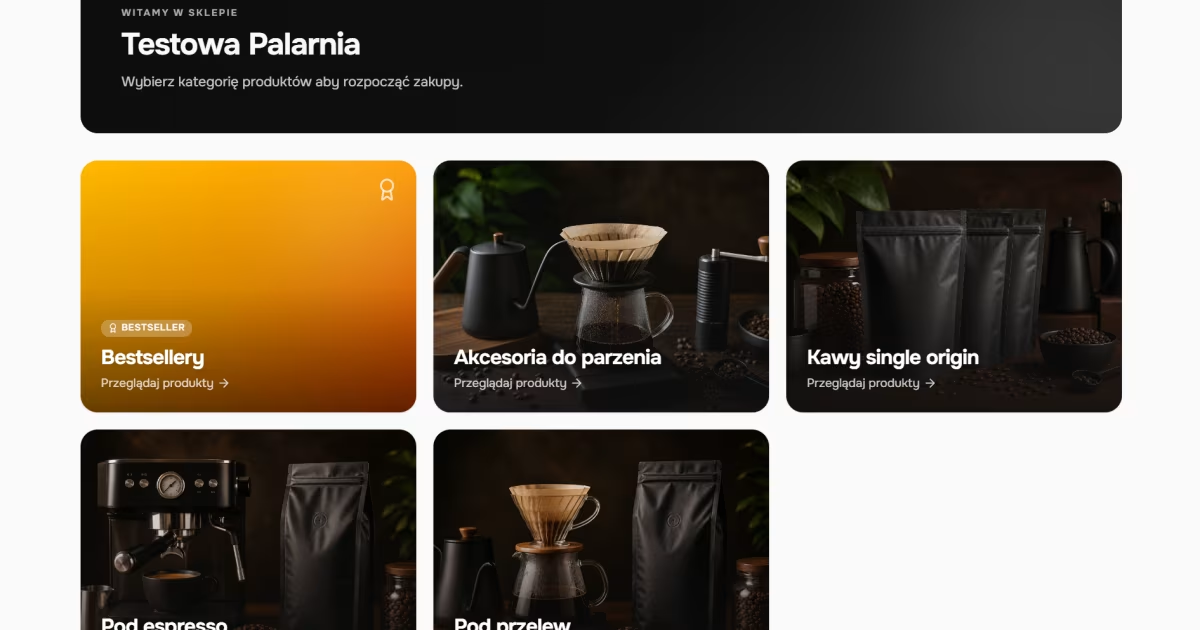
When a B2B customer logs in to the store where they order goods, they should see your company — not the software vendor's logo. This isn't cosmetic. White-label — a store under your own brand — directly affects how the customer perceives the relationship and whom they trust.
What white-label is in practice
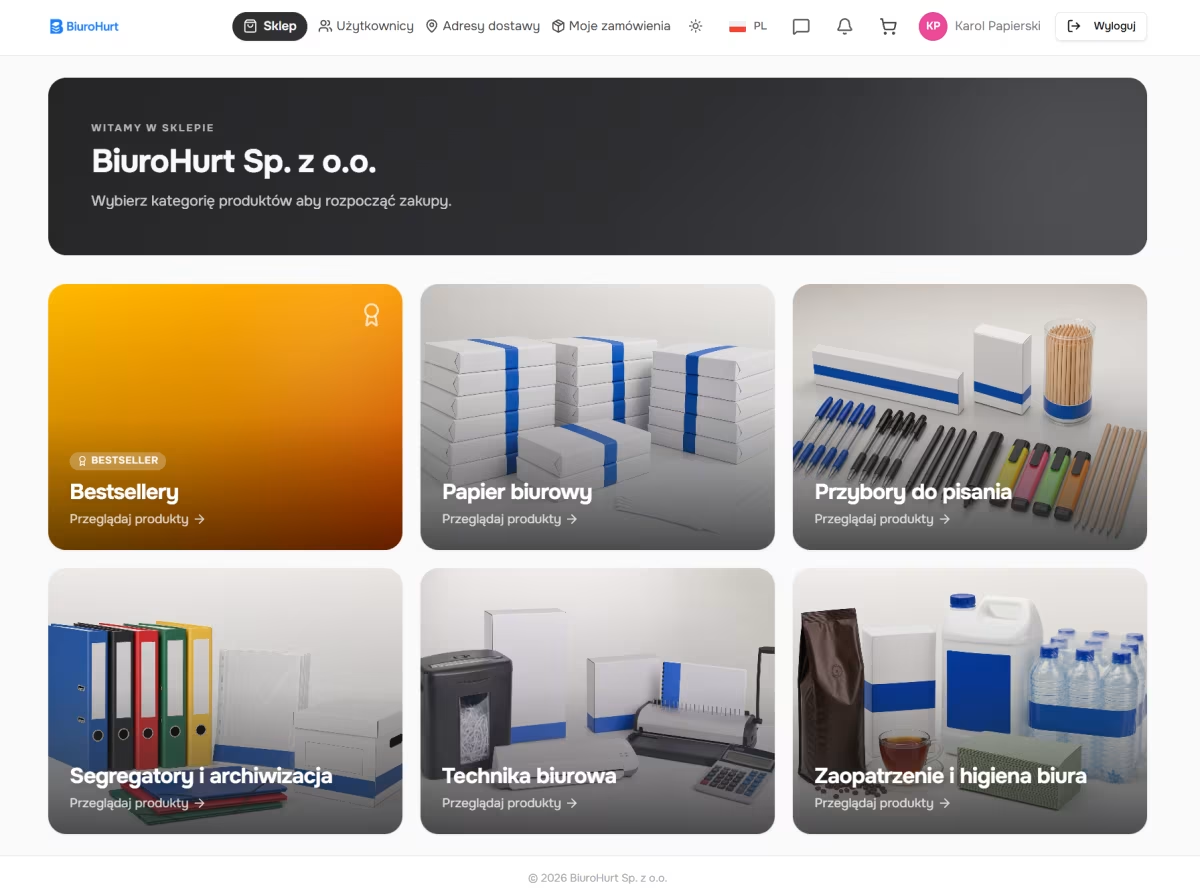
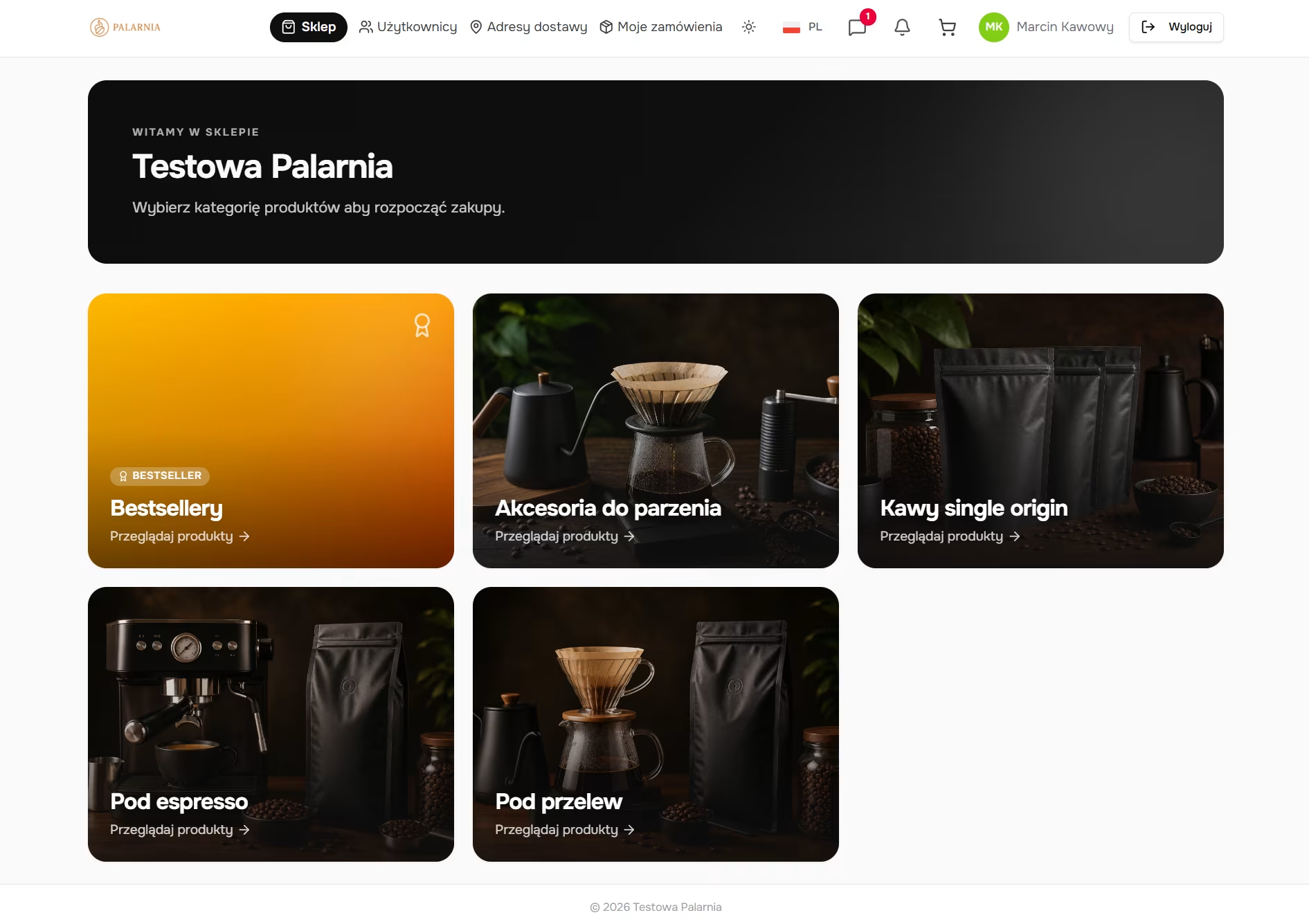
White-label means that the platform you use disappears behind your brand. The customer sees your logo, your colors, your login address and an interface in their own language. They don't know (and don't need to know) what software is underneath — to them it's simply "the supplier's store."
Why it matters in B2B
1. Trust and brand consistency
A regular B2B customer buys from you because they trust you. If, in the middle of ordering, they run into an unfamiliar brand, that consistency breaks. Your own logo and login address keep the impression that they're with you the whole time.
2. A professional image
A store under your brand looks like your investment in customer service, not like a "bolted-on tool." For a smaller company, it's a way to look serious without building your own system from scratch.
3. The customer's language
If you sell abroad, an interface in the customer's language (e.g. Polish, English, Ukrainian) removes a real barrier. An English- or Ukrainian-speaking customer doesn't have to guess what the buttons mean.
In B2B, a brand isn't a logo on the homepage. It's a consistent impression at every step — including when the customer logs in at 22:00 to place an order.
What makes up a good white-label
- Your company's logo and colors throughout the store.
- Your own login address under your brand.
- A multilingual interface — in Polish, English and Ukrainian.
- Consistency with everything else — invoices, notifications and communication under your brand too.
White-label and the closed catalog
White-label works best together with the invitation model: the customer comes in only through your invitation, to a store that looks like your company, and sees their own net price list. You can read more about this model in the article The invitation-only B2B store.
In vendispace, white-label is built in from the start — your own logo, colors, address and three interface languages. Create a free account and see your store under your own brand.
Read also
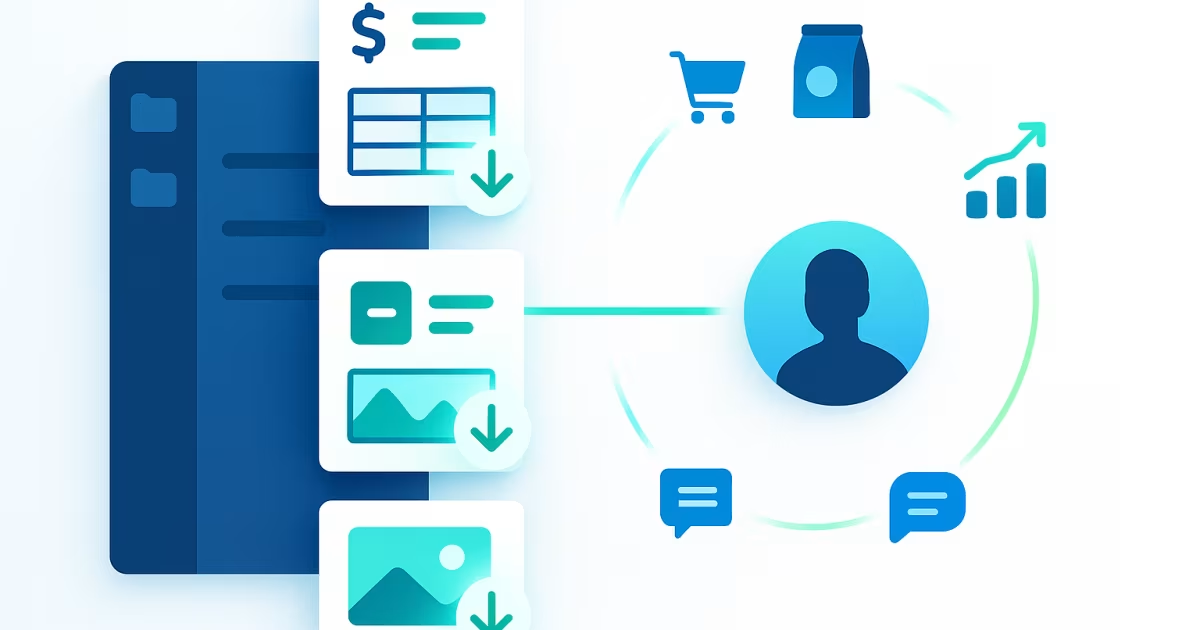
Materials for B2B customers: price lists and product sheets without e-mail
Price lists, product sheets, certificates and marketing photos. How to share them in the store so every customer sees exactly what they should.
Read article
Individual price lists in B2B: per-customer pricing without spreadsheets
A discount on a product group, a negotiated price on one item, quantity breaks. How to organise pricing agreements so the customer sees them without asking.
Read article
KSeF 2026: what changes in B2B sales and how to prepare
Structured invoicing is becoming mandatory. See what KSeF changes in everyday B2B sales and how to link orders to invoices without the chaos.
Read articleStart selling B2B under your own brand.
Free FreeSpace account: add a product, invite a customer, take your first order. No card, no commitment.
Create a free accountHave a question? Write to us.