
Invitation-only B2B store — why a closed catalog sells better
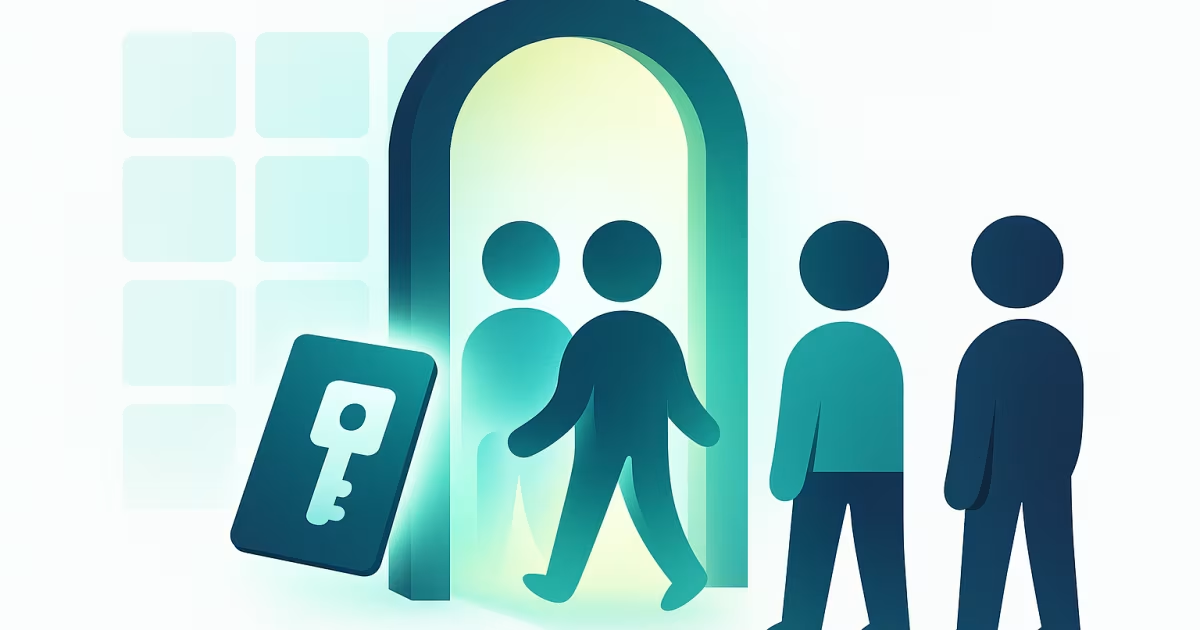
An open online store tempts you with the promise that "maybe someone will buy by chance." In B2B sales to regular customers, that promise usually doesn't hold — and sometimes it gets in the way. A closed, invitation-only catalog, where each customer sees their own price list and their own terms, sells better. Here's why.
B2B isn't accidental selling
In wholesale and B2B sales, walk-in traffic doesn't matter — what counts is the relationship with a specific, hand-picked customer. Prices are negotiated, payment terms are set individually, and availability can differ from one buyer to another. An open store with a single price list for everyone conflicts with how you actually run your sales.
A closed catalog flips the logic: you decide who gets in, what they see and at what price. The customer doesn't "browse the offer" — they log in to their own panel and place an order on the terms you agreed with them.
Four reasons a closed catalog sells better
1. Everyone sees their own net price
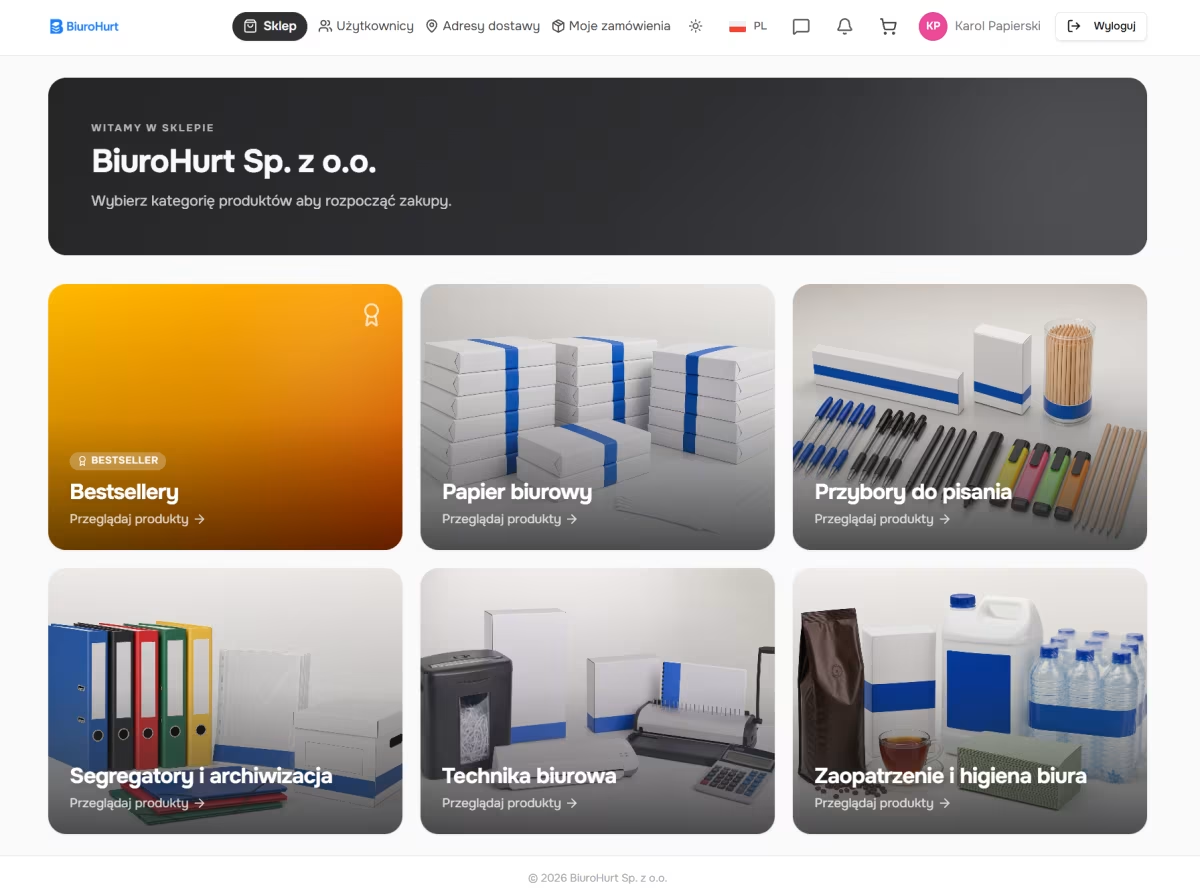
In B2B, price is confidential and individual information. When a customer logs in to the catalog assigned to their account, they see exactly what you agreed with them — without revealing terms to others and without having to explain "why it's cheaper next door."
2. Zero random inquiries
An open store generates traffic that, in B2B, is mostly noise: inquiries from people outside your target group, attempts to negotiate from scratch, time spent on someone who won't buy anyway. An invitation-only catalog cuts that noise off at the source.
3. Higher trust, a shorter path to an order
A customer who gets their own account under your brand feels it's a relationship, not an anonymous shopping cart. That shortens the path from "I'll think about it" to a placed order.
4. Control over what you show and to whom
You can release a new product to selected customers first. A promotion — to just one group. Sales become steerable, rather than "put out for everyone at once."
In B2B, the goal isn't to be seen by as many people as possible. It's for the right people to see the right offer — and be able to order right away.
"But doesn't a closed store mean fewer customers?"
That's the most common worry — and a misunderstanding. The closure applies to your customers, who come in by invitation. As the seller, you still win new buyers just as before: through sales reps, trade fairs, referrals. The difference is that once a customer is on board, they get an organized place to order instead of a phone and email.
Inviting is dead simple: you enter the NIP (the details are pulled from GUS), send a link, and the customer sets up an account in a minute and immediately sees their catalog.
How it looks in vendispace
- The store runs under your brand, not ours.
- Only an invited customer gets inside — everyone else can't even see the catalog.
- Each customer has their own net price list and availability.
- An order ties straight into the invoice, payment and shipping.
Want to see it from the inside? Check out how invitation-based selling works, using a coffee roastery as an example, read up on deferred payments without losing liquidity, or simply create a free account and invite your first customer.
Read also
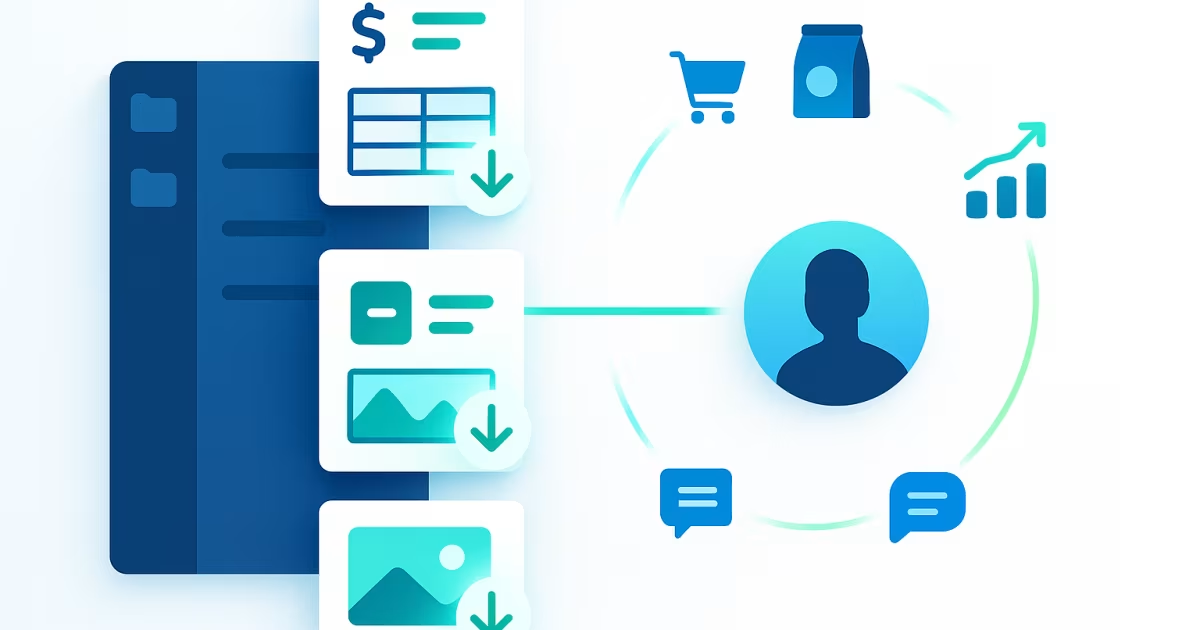
Materials for B2B customers: price lists and product sheets without e-mail
Price lists, product sheets, certificates and marketing photos. How to share them in the store so every customer sees exactly what they should.
Read article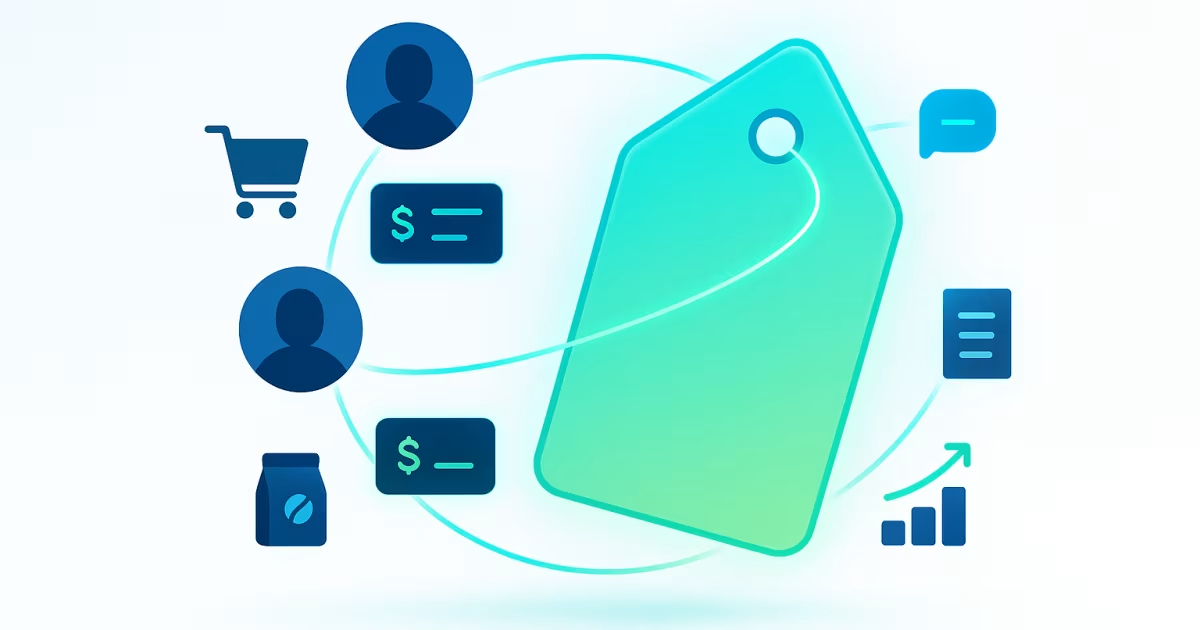
Individual price lists in B2B: per-customer pricing without spreadsheets
A discount on a product group, a negotiated price on one item, quantity breaks. How to organise pricing agreements so the customer sees them without asking.
Read article
KSeF 2026: what changes in B2B sales and how to prepare
Structured invoicing is becoming mandatory. See what KSeF changes in everyday B2B sales and how to link orders to invoices without the chaos.
Read articleStart selling B2B under your own brand.
Free FreeSpace account: add a product, invite a customer, take your first order. No card, no commitment.
Create a free accountHave a question? Write to us.